

Methodology
The methodology for assessing the socio-environmental impacts of gold mining is based on the concept that value is a socially defined measure of well-being based on its relative importance for a group of people.Value is relative since it is not only related to the characteristics of the object in question, but also to the context surrounding the object. This context include its relative scarcity (supply) and the pressure to use the available resources (demand), as shown in the following figure:
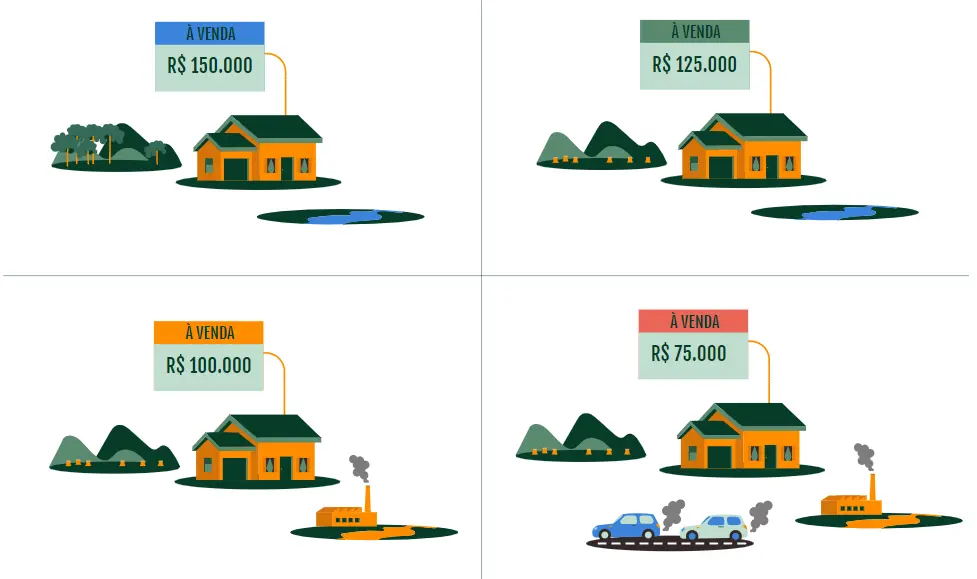
The image exemplifies how society declares a different value to a home based on the attributes that surround it. Likewise, a single tree in a completely deforested area will have more value than the same species in a completely forested environment. Therefore, it is not possible to determine an absolute value of a forest, since it will depend on the context and the alternatives for its use or non-use.
In addition to being socially determined, the value of a natural resource is somewhat marginal, since it refers to an expected trend change in the state of the resources. Therefore, identifying costs or benefits of a change in land use, such as illegal gold mining, is related to a baseline value, that is, whatever the status quo is valued at. To arrive at the monetary values, a value transfer function is used, which seeks to correlate contextual characteristics with average values of economic loss in different countries.
The measurements of each impact category we use in the calculator are composed using two different valuation methods:
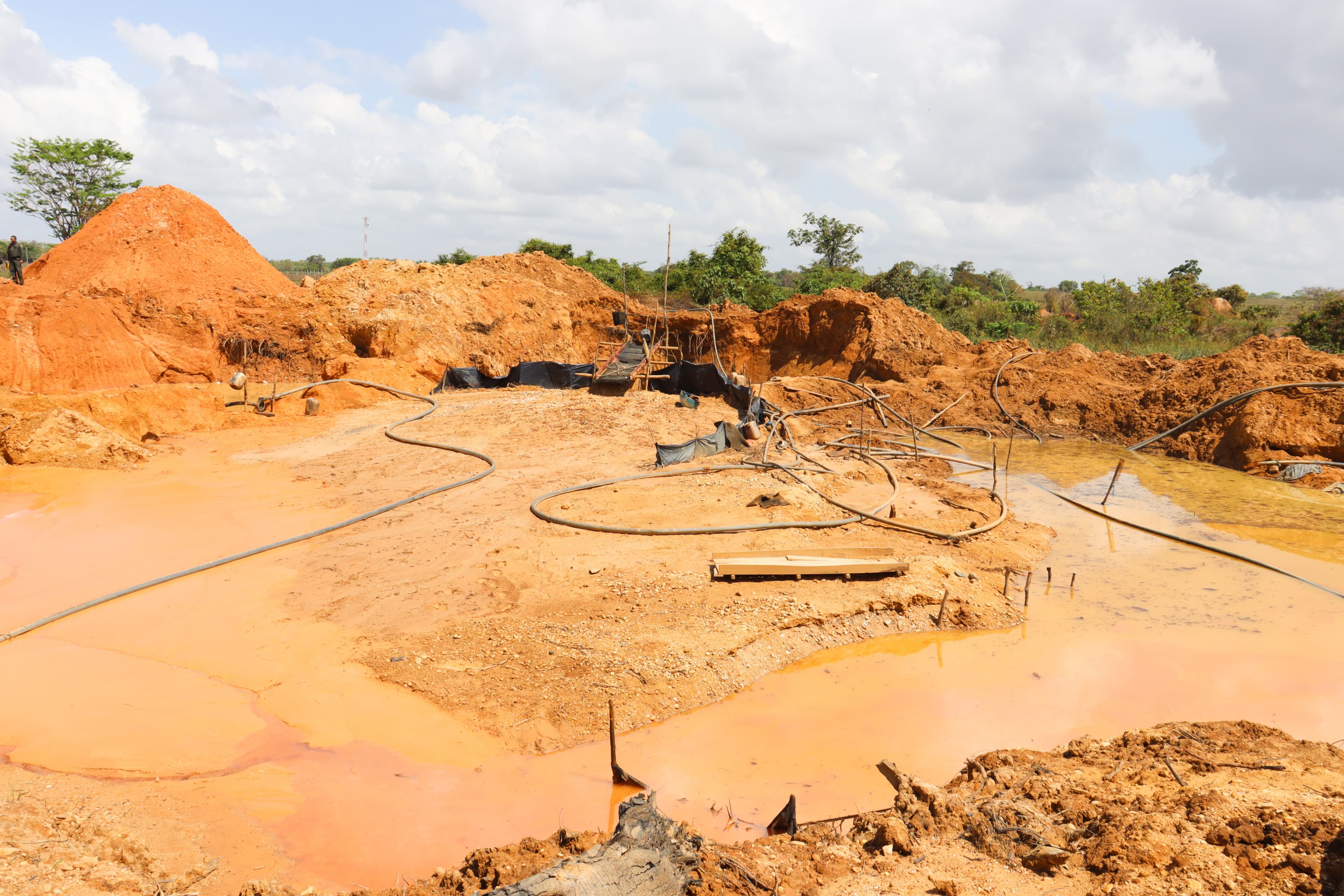
The methodology behind the Mining Impacts Calculator divides the damage caused by mining into three broad categories: 1) deforestation, which results in the loss of ecosystem services provided by the forest; 2) river sedimentation and soil erosion; and 3) environmental contamination by mercury and its consequences on human health. The magnitude of these impacts is adjusted for contextual factors that influence economic values, such as population density, the size of the affected population, the average amount of contaminated fish consumed, and logistical costs for recovery of the areas. To carry out the calculation, it is possible to differentiate values by type of mining: alluvial, raft or sinkhole (learn more about the types of mining here)
Amazonian countries adopt different attitudes towards mining. In some, the activity is considered illegal in all cases but in others it is allowed under certain restrictions. The use of mercury in the extraction of gold, for example, is legal in several countries in South America. In these cases, the damage caused by the legal regulated mining activities can be very similar to that caused by illegal mining.
For this reason, the Mining Impacts Calculator can be used to estimate damages both from illegal activities and those carried out legally. In the case of illegal mining, the operators of the activity are, as a rule, held responsible for mitigating or repairing the socio-environmental damage caused. However, if the country has legislation for licensing mining areas that require the recovery of degraded resources, the same methodology can be applied.
Calculator Results
The Mining Impacts Calculator produces impactful results for each country where it has been implemented. Throughout Brazil, 1 kg of gold generates economic losses between US$228,000 and US$460,000. In the case of Peru, 1 kg of gold generates socio-environmental impacts worth between US$81,000 and US$364,000. In Colombia, the same 1 kg of gold extracted generates socio-environmental damage between US$67,000 and US$215,000. And for the extraction of 1 kg of gold in Ecuador, the impacts vary between US$480,000 and US$980,000.
It is possible to perform more specific calculations when determining the search region. CSF was a pioneer in publishing different scientific articles that estimate the socioeconomic damages of mining in the regions of the Yanomami Indigenous Land (impact of US$ 69 million in 2020 alone) and the Tapajós river basin, where the Munduruku Indigenous Land is located (impact of US$ 6.4 million only in 2020). The Calculator estimated in more than R$ 6.6 billion the damages caused by the activity in those regions during the year 2020.
Technical documents produced by the Strategic Conservation
To learn more, read our full methodological report assessing the impacts of illegal gold mining in the Amazon, here.